
Animals who are Lost
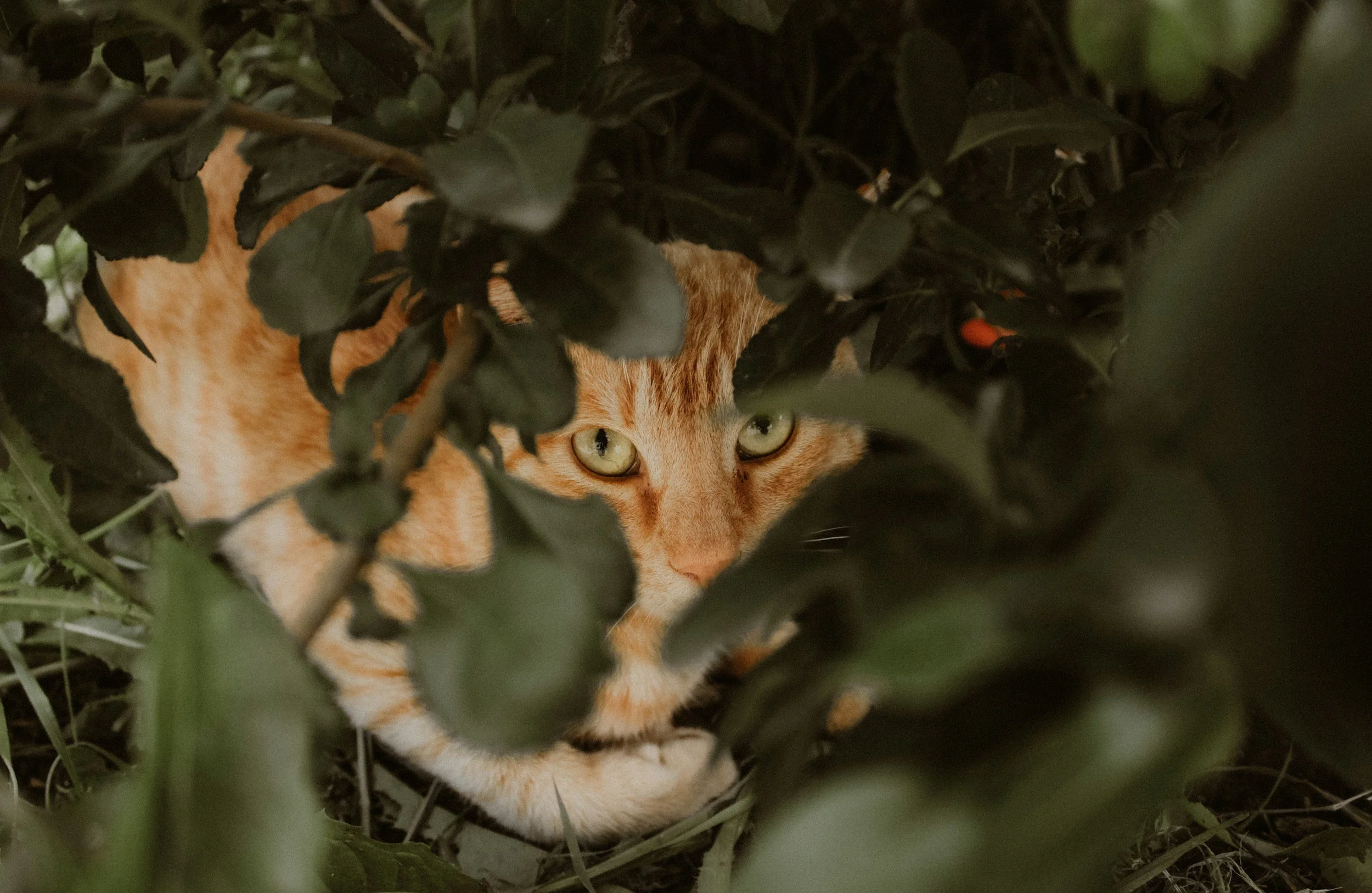
Not knowing where your animal has gone is heartbreaking.
I hope these insights might help you in some way, and bring you some comfort.
Not knowing where your beloved animal companion is can be one of the most heart-breaking experiences we face. The uncertainty can be overwhelming, and it's completely natural to spend your days worrying, searching, and wondering how they are, where they might be, and whether they are safe.
If you're in this situation, please know my heart goes out to you.
While many animal communicators choose not to work with lost animal cases, I do offer this as a Priority Booking Service when I have availability. Lost animal communications often require multiple connection attempts at different times, and involve a significant amount of time, focus, and care. My intention is always to support you as much as possible during what is often a very emotional and stressful time.
It is important to understand that, as an animal communicator, I cannot guarantee accuracy regarding an animal's location, whether they are still living, or when (if) they may return home. Animals communicate telepathically, and when they are lost, frightened, hiding, conserving energy, or moving from place to place, their signals can become faint or intermittent. This can make it increasingly difficult to connect clearly as time passes - and they are no longer where they were earlier in the day.
Before any session with you, I am connecting with the animal, and this usually takes 20-30 minutes. During this time, I ask a series of questions and carefully interpret the information I receive. Questions such as "Where are you?" are rarely answered in a direct way. Instead, I may ask, what can you see, hear, smell, and feel. I also ask, which way did they leave home, show me the route you took.
The information often comes through as impressions, feelings, images, sounds, or sensations rather than clear directions. For example, I may be shown a red car, a particular smell, a stream, a fence, or a type of building. While these clues can sometimes be very helpful, they are not always specific enough to provide an exact address, however I do hope it will give you clues to follow on your search.
I also hope that it will bring you some insights into the direction they went, any events along the way, and how they are feeling.
You and I will usually speak two or three times throughout the process, reviewing the clues together and discussing what they might mean. Often, as we work through the information and we speak, the connection becomes stronger and a clearer picture can emerge. Together, we can create a practical plan for your next steps.
A Little Hope
In recent times, I have had cats return home after their families booked a session and before we had started our live call: I will always tune in to your animal as soon as I receive your booking, so this is often working before we start our live call. I have also have had others return the next morning, and this especially happens once they feel you have ‘heard’ them, if it is a concern they have. There are also families I never hear back from, so unfortunately I don't always know what the outcome was.
This work can be incredibly challenging for animal communicators because so much time, energy, love, and emotional investment goes into every lost animal case. We truly care about the animals and the people who love them.
While I can never promise an outcome, I can promise that if I take on your case, I will approach it with compassion, dedication, and the genuine desire to help in the way I can. I will make it clear on our first call, how best we can work together, so that we can maximise the time we have.
Read my Terms of Service here - https://www.animalwhispers.co.nz/terms
Book a Priority Service here -https://animalwhispersnz.as.me/?appointmentType=85488569
HELPFUL TIPS
There are many practical steps you can take to help your animal show itself, or find it's way home.
Leave outside lights on (literally), and sit and meditate, imagining a bright beam of light going from your home up into the sky, and to wherever your animal may be (you don't need to know where they are, just imagine them looking up and seeing this). I will be doing something like this each time I connect with a lost animal, to give them an indication of which way is home (if they can just look up and see it). ALSO - I have found this can work extremely well with cats close by, as I have ended up with neighbours’ cats coming calling around often when I do this!
Knock on all neighbouring doors, and hand them a flyer with a picture and your contact number. Go back there regularly and ask again if they have seen your animal or heard their animal acting strangely.
Post on Facebook community groups regularly, not just once; you need to remind people that you are still looking. Ask questions like: have you seen a new animal in or around your home recently, that could be this cat? Do you know anyone feeding strays in the area that we could contact etc.
Notify vets - in case someone comes in with an injured animal, that may have been in a fight or chase with your animal.
Walk the neighbourhood, looking up in trees, on roofs, under bushes, underneath decks, in sheds, look everywhere a small animal could fit. Your animal may not call out in response to hearing your voice, as they are trying to stay hidden from danger or prey. Keep a watchful eye out. Go back to places you have already been to. Animals move around, making it tricky to pinpoint where they are on any one day.
Best of luck, and I hope you find some peace, knowing that you have done all that you can.
